Lithium-ion Batteries: Restrictions on Checked Luggage
Lithium-ion batteries have become an essential part of our daily lives. From powering our smartphones and laptops to electric vehicles, these batteries have revolutionized the way we live and work. However, due to their potential fire risk, there are certain restrictions on carrying lithium-ion batteries in checked luggage when traveling by air.
The International Civil Aviation Organization (ICAO) and the International Air Transport Association (IATA) have set guidelines and regulations to ensure the safe transportation of lithium-ion batteries. These regulations are in place to prevent any incidents that could compromise the safety of passengers and crew members.
One of the main reasons why lithium-ion batteries are not allowed in checked luggage is the risk of thermal runaway. Thermal runaway occurs when a lithium-ion battery overheats and catches fire. This can happen due to a variety of reasons, such as manufacturing defects, physical damage, or exposure to extreme temperatures.
v mount battery
b mount battery
DV battery
gold mount battery
When a lithium-ion battery catches fire, it releases a significant amount of heat and can generate intense flames. If this were to happen in the cargo hold of an aircraft, it could go unnoticed for a longer period of time, potentially leading to a catastrophic event. Therefore, to minimize the risk, lithium-ion batteries are only allowed in carry-on luggage, where any potential fire can be detected and dealt with promptly.
Another reason for the restriction on lithium-ion batteries in checked luggage is the potential for short circuits. If a lithium-ion battery comes into contact with metal objects, such as keys or coins, it can short circuit and release a large amount of energy. This energy release can lead to a fire or explosion, which is why it is crucial to keep lithium-ion batteries separate from any metal objects.
Furthermore, the pressure changes that occur during air travel can also pose a risk to lithium-ion batteries. The cargo hold of an aircraft is pressurized differently than the passenger cabin. These pressure changes can affect the internal structure of the battery and increase the likelihood of a thermal runaway event. By carrying lithium-ion batteries in the cabin, where the pressure remains relatively constant, the risk of such incidents is significantly reduced.
It is important to note that there are exceptions to the restrictions on lithium-ion batteries in checked luggage. Batteries with a capacity of less than 100 watt-hours (Wh) are generally allowed in both carry-on and checked luggage. However, if the battery exceeds this capacity, it must be carried in carry-on luggage only. Additionally, spare lithium-ion batteries, regardless of their capacity, are not allowed in checked luggage and must be carried in carry-on luggage.
In conclusion, the restrictions on lithium-ion batteries in checked luggage are in place to ensure the safety of air travel. The risk of thermal runaway, short circuits, and pressure changes make it necessary to carry these batteries in the cabin, where any potential incidents can be detected and dealt with promptly. By following these regulations, we can continue to enjoy the benefits of lithium-ion batteries while minimizing the risks associated with their transportation.
When it comes to reliable power for cameras and accessories, the Rolux 7.2V 47.5Wh Sony NP-F971 DV Pack Battery delivers portability and performance in one compact package. Designed for creators on the move, this battery ensures your devices stay powered wherever your projects take you. Key Features: Why Choose Rolux:Rolux is committed to delivering dependable,…
Is USB-C Charging Bad for Your iPhone? Exploring the Pros and Cons of USB-C Charging for iPhones When it comes to charging your iPhone, you may have heard that USB-C is the way to go. But is USB-C charging really better for your iPhone? Let’s explore the pros and cons of USB-C charging for iPhones….
When you need a dependable and versatile power source for professional video and photography work, the Rolux 14.4V 98Wh USB-C Port Gold-Mount Lithium Battery delivers performance, portability, and flexibility in one compact package. Compact Power with Long Runtime Featuring a capacity of 98Wh (6800mAh) and a rated voltage of 14.4V, this battery provides extended power…
When it comes to powering professional broadcast, audio, and video equipment, a dependable connection is essential. The C1 DC to 4-Pin XLR Female Cable is designed to bridge your DC power source and devices that require a 4-pin XLR input, delivering stable power with ease. Precision-Engineered for Compatibility The C1 cable features a 5.5 ×…
For creators who demand reliable and flexible power solutions, the Rolux V-Mount USB-C Port Power Supply Plate is an essential tool. Designed to convert V-Mount battery power into versatile USB-C output, it ensures your devices stay charged and your workflow uninterrupted. Wide Voltage Compatibility The plate supports battery working voltages from 12V to 17V, accommodating…
When working with multiple accessories on set, running out of battery ports is a common challenge. The FB1 1 to 4 D-Tap Splitter Spring Cable solves this problem by transforming a single D-Tap output into four independent power connections, allowing you to run multiple devices from one battery source without clutter or extra adapters. Multi-Device…

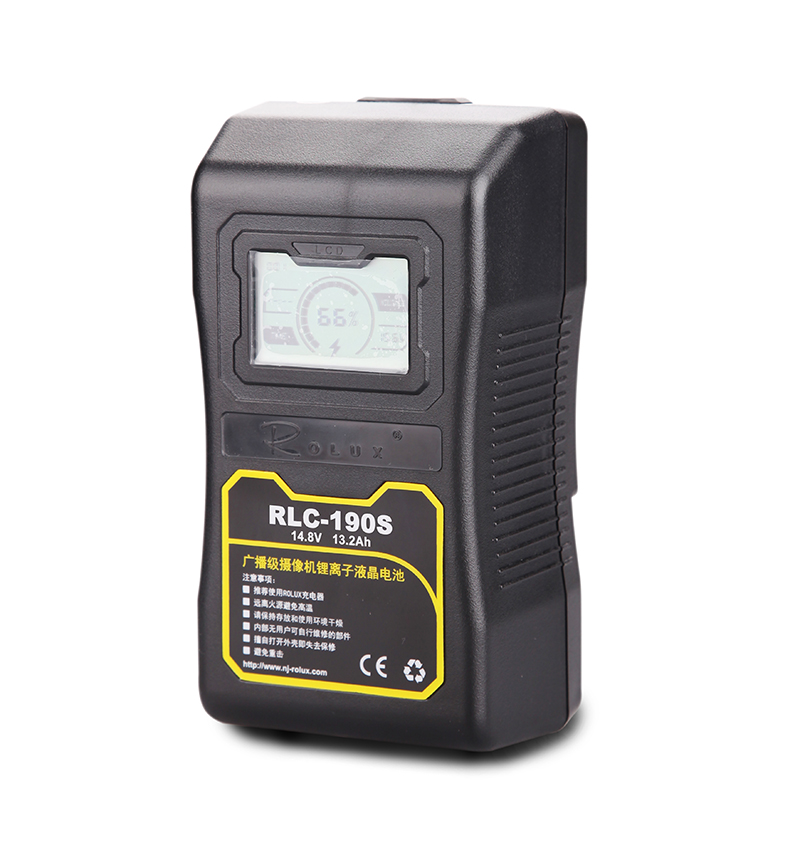 The International Civil Aviation Organization (ICAO) and the International Air Transport Association (IATA) have set guidelines and regulations to ensure the safe transportation of lithium-ion batteries. These regulations are in place to prevent any incidents that could compromise the safety of passengers and crew members.
One of the main reasons why lithium-ion batteries are not allowed in checked luggage is the risk of thermal runaway. Thermal runaway occurs when a lithium-ion battery overheats and catches fire. This can happen due to a variety of reasons, such as manufacturing defects, physical damage, or exposure to extreme temperatures.
The International Civil Aviation Organization (ICAO) and the International Air Transport Association (IATA) have set guidelines and regulations to ensure the safe transportation of lithium-ion batteries. These regulations are in place to prevent any incidents that could compromise the safety of passengers and crew members.
One of the main reasons why lithium-ion batteries are not allowed in checked luggage is the risk of thermal runaway. Thermal runaway occurs when a lithium-ion battery overheats and catches fire. This can happen due to a variety of reasons, such as manufacturing defects, physical damage, or exposure to extreme temperatures.