Lithium-ion Batteries: Restrictions on Checked Luggage
Lithium-ion batteries have become an essential part of our daily lives. From powering our smartphones and laptops to electric vehicles, these batteries have revolutionized the way we live and work. However, due to their potential fire risk, there are certain restrictions on carrying lithium-ion batteries in checked luggage when traveling by air.
The International Civil Aviation Organization (ICAO) and the International Air Transport Association (IATA) have set guidelines and regulations to ensure the safe transportation of lithium-ion batteries. These regulations are in place to prevent any incidents that could compromise the safety of passengers and crew members.
One of the main reasons why lithium-ion batteries are not allowed in checked luggage is the risk of thermal runaway. Thermal runaway occurs when a lithium-ion battery overheats and catches fire. This can happen due to a variety of reasons, such as manufacturing defects, physical damage, or exposure to extreme temperatures.
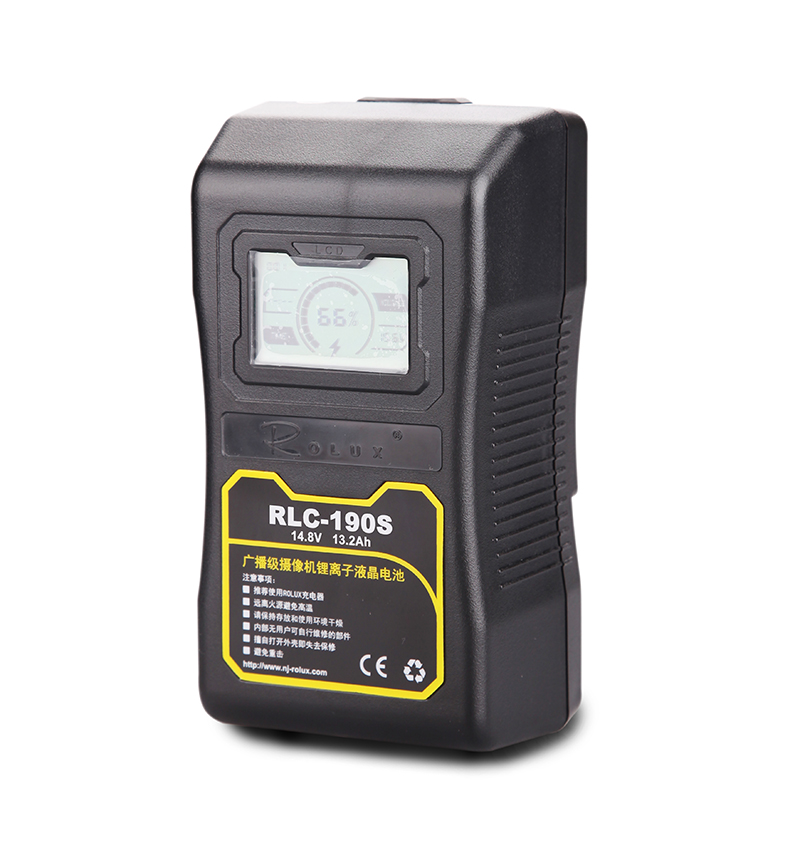
v mount battery
b mount battery
DV battery
gold mount battery
When a lithium-ion battery catches fire, it releases a significant amount of heat and can generate intense flames. If this were to happen in the cargo hold of an aircraft, it could go unnoticed for a longer period of time, potentially leading to a catastrophic event. Therefore, to minimize the risk, lithium-ion batteries are only allowed in carry-on luggage, where any potential fire can be detected and dealt with promptly.
Another reason for the restriction on lithium-ion batteries in checked luggage is the potential for short circuits. If a lithium-ion battery comes into contact with metal objects, such as keys or coins, it can short circuit and release a large amount of energy. This energy release can lead to a fire or explosion, which is why it is crucial to keep lithium-ion batteries separate from any metal objects.
Furthermore, the pressure changes that occur during air travel can also pose a risk to lithium-ion batteries. The cargo hold of an aircraft is pressurized differently than the passenger cabin. These pressure changes can affect the internal structure of the battery and increase the likelihood of a thermal runaway event. By carrying lithium-ion batteries in the cabin, where the pressure remains relatively constant, the risk of such incidents is significantly reduced.
It is important to note that there are exceptions to the restrictions on lithium-ion batteries in checked luggage. Batteries with a capacity of less than 100 watt-hours (Wh) are generally allowed in both carry-on and checked luggage. However, if the battery exceeds this capacity, it must be carried in carry-on luggage only. Additionally, spare lithium-ion batteries, regardless of their capacity, are not allowed in checked luggage and must be carried in carry-on luggage.
In conclusion, the restrictions on lithium-ion batteries in checked luggage are in place to ensure the safety of air travel. The risk of thermal runaway, short circuits, and pressure changes make it necessary to carry these batteries in the cabin, where any potential incidents can be detected and dealt with promptly. By following these regulations, we can continue to enjoy the benefits of lithium-ion batteries while minimizing the risks associated with their transportation.
V-Lock Battery IO: The Ultimate Power Solution for Komodo Factory Mutiny The Komodo Factory Mutiny is a powerhouse of a camera, known for its high-quality video capabilities and compact design. However, like any piece of equipment, it requires a reliable power source to keep it running smoothly. That’s where the V-Lock Battery IO comes in….
The Benefits of Using a Gold-Mount Male Plate for Camera Mounting When it comes to mounting a camera, a gold-mount male plate is an excellent choice. This type of plate offers a number of benefits that make it a great choice for any photographer. First, a gold-mount male plate is incredibly durable. It is made…
For filmmakers and content creators, uninterrupted power is essential. The Rolux 26V 265Wh D-Tap Port V-Mount Lithium Battery delivers high-capacity, reliable energy to keep your cameras and accessories running efficiently, even on long shoots. High Capacity and Performance With a rated voltage of 26V and 265Wh (10,500mAh) capacity, this battery provides robust power for extended…
In the fast-paced world of professional videography and photography, having a reliable and versatile power solution is crucial. The Rolux V-Mount USB-C Port Power Supply Plate delivers exactly that—a compact, high-performance power solution designed to keep your devices running smoothly on set. Key Features 1. Wide Battery CompatibilityWith a working voltage range of 12–17V, this…
How to Repair a Camera Battery Yourself: A Step-by-Step Guide 1. Gather the necessary tools and materials. You will need a soldering iron, solder, a small screwdriver, and a replacement battery. 2. Disassemble the camera. Carefully remove the screws that hold the camera together and separate the parts. v mount battery b mount battery DV…
How Adjustable Screws Can Help V Mount Battery Plate Manufacturers Achieve Optimal Performance Adjustable screws are a great way for V Mount battery plate manufacturers to achieve optimal performance. By using adjustable screws, manufacturers can easily adjust the tension of the plate to ensure that it is securely attached to the battery. This helps to…

 The International Civil Aviation Organization (ICAO) and the International Air Transport Association (IATA) have set guidelines and regulations to ensure the safe transportation of lithium-ion batteries. These regulations are in place to prevent any incidents that could compromise the safety of passengers and crew members.
One of the main reasons why lithium-ion batteries are not allowed in checked luggage is the risk of thermal runaway. Thermal runaway occurs when a lithium-ion battery overheats and catches fire. This can happen due to a variety of reasons, such as manufacturing defects, physical damage, or exposure to extreme temperatures.
The International Civil Aviation Organization (ICAO) and the International Air Transport Association (IATA) have set guidelines and regulations to ensure the safe transportation of lithium-ion batteries. These regulations are in place to prevent any incidents that could compromise the safety of passengers and crew members.
One of the main reasons why lithium-ion batteries are not allowed in checked luggage is the risk of thermal runaway. Thermal runaway occurs when a lithium-ion battery overheats and catches fire. This can happen due to a variety of reasons, such as manufacturing defects, physical damage, or exposure to extreme temperatures.